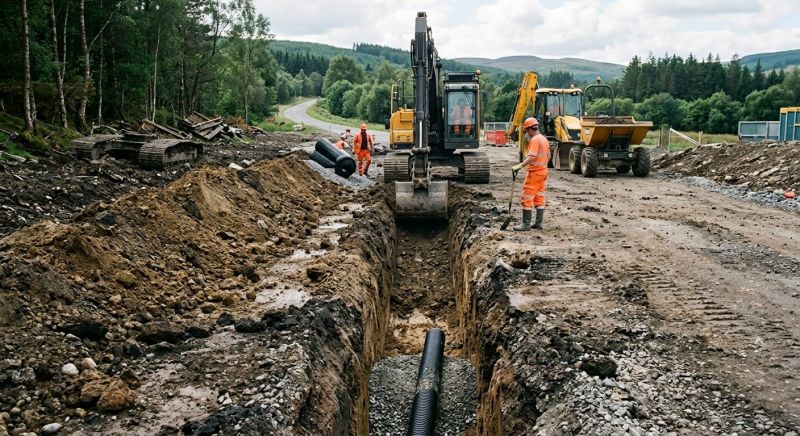
Drain Trenching in Atlanta, GA
Drain trenching services involve excavating narrow, deep channels in the ground to install or repair underground drainage systems. This process is commonly used for projects such as installing new drain lines, improving existing drainage around foundations, or redirecting water away from basements and landscaping. Property owners typically want to understand how trenching can help prevent water pooling, reduce flooding risks, and protect property structures from water damage.
Before requesting drain trenching, homeowners should consider the scope of their drainage needs, including the length and depth of trenches required and the type of soil on the property. It's also helpful to understand any existing underground utilities to ensure safe excavation. Proper planning can ensure the trenching project effectively manages water flow and integrates seamlessly with current drainage systems.
Many property owners in Atlanta, GA look into Drain Trenching for repairs, replacements, upgrades, and appearance-related improvements.
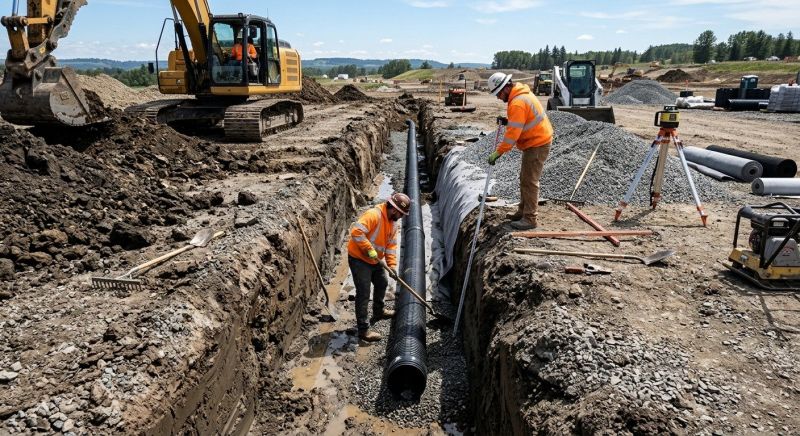
Drain Trenching For New Installations
Creating precise trenches to install or replace underground drainage systems in residential and commercial properties.
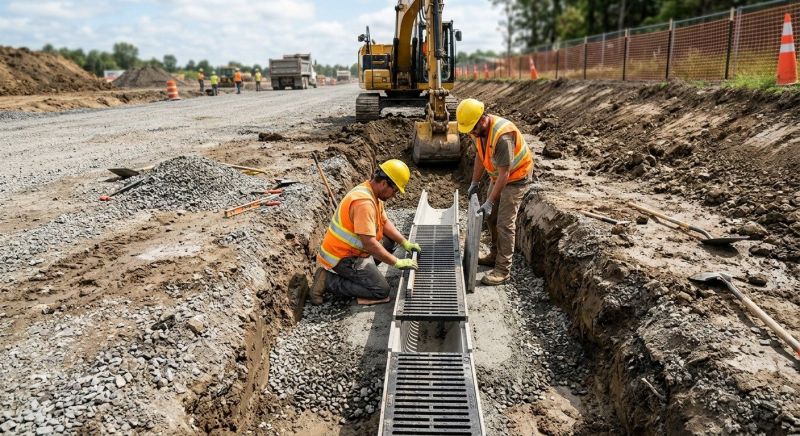
Repair And Maintenance Solutions
Addressing broken or clogged drainage lines through targeted trenching to restore proper flow and prevent water damage.
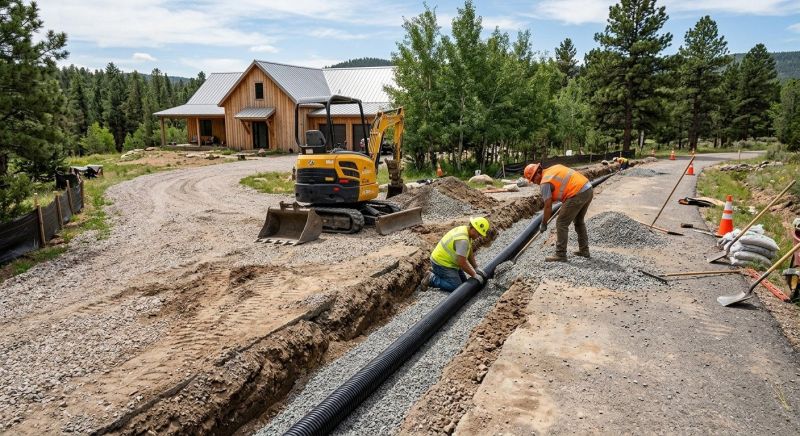
Property Drainage Improvements
Enhancing yard and landscape drainage to reduce flooding and soil erosion around homes in atlanta and nearby areas.
Drain Trenching in Atlanta, GA
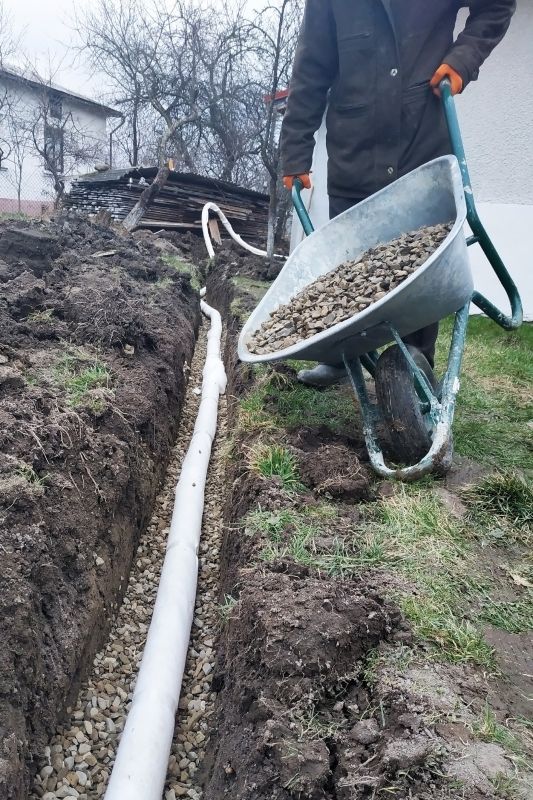
Drain trenching services involve excavating narrow, deep channels in the ground to install or repair underground drainage systems. This process is commonly used for projects such as installing new drain lines, improving existing drainage around foundations, or redirecting water away from basements and landscaping. Property owners typically want to understand how trenching can help prevent water pooling, reduce flooding risks, and protect property structures from water damage.
Before requesting drain trenching, homeowners should consider the scope of their drainage needs, including the length and depth of trenches required and the type of soil on the property. It's also helpful to understand any existing underground utilities to ensure safe excavation. Proper planning can ensure the trenching project effectively manages water flow and integrates seamlessly with current drainage systems.
Many property owners in Atlanta, GA look into Drain Trenching for repairs, replacements, upgrades, and appearance-related improvements.
Common Drain Trenching Jobs
Drain trenching - creates a dedicated channel for directing water away from foundations and landscaping.
Foundation drainage - helps prevent water buildup that can cause basement flooding and structural damage.
Landscape drainage - improves yard drainage to reduce pooling and soil erosion around property.
Sump pump trenches - installs underground pathways for sump pump discharge lines to prevent surface flooding.
Retaining wall drainage - incorporates drainage solutions to reduce pressure and water buildup behind walls.
Yard grading and trenching - shapes the land to promote proper water flow and protect property from water damage.
Drain Trenching Questions
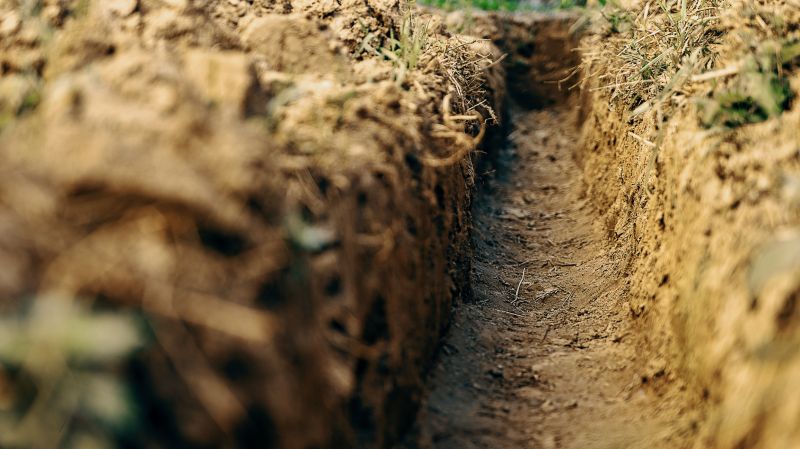
What is drain trenching used for? Drain trenching creates channels to direct water away from foundations, basements, or landscaping to prevent flooding and water damage.
What types of projects require drain trenching? Projects often include installing drainage systems around homes, repairing existing drainage, or managing runoff from driveways and yards.
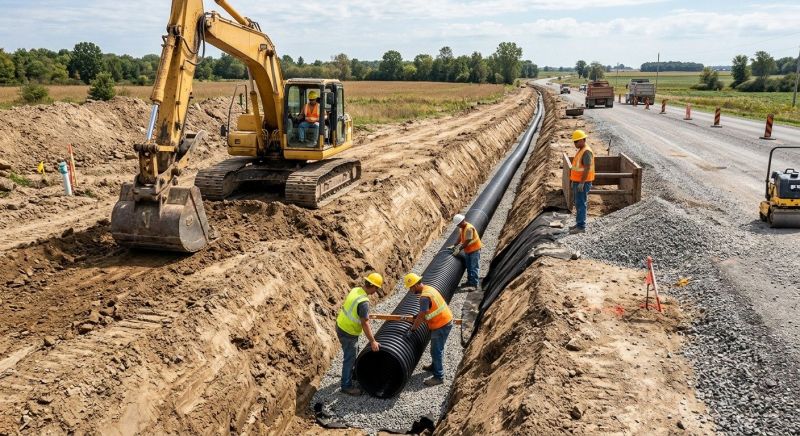
How deep are drain trenches typically dug? Trenches are usually excavated to depths that accommodate drainage pipes, often between 12 to 24 inches, depending on the project needs.
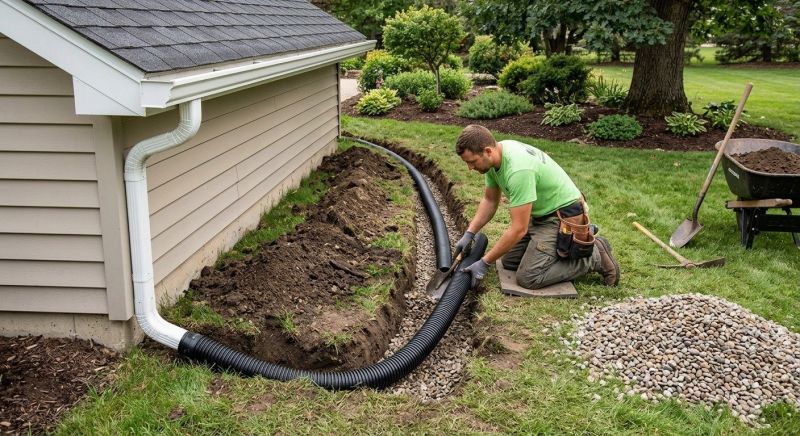
What materials are used in drain trenching systems? Common materials include perforated drainage pipes, gravel or crushed stone, and landscape fabric to ensure proper water flow and filtration.
Request Drain Trenching in Atlanta, GA
Use the quote form on this page to share the basics of your project and request more information for the type of work you need.