Acreage Clearing in Houston, TX
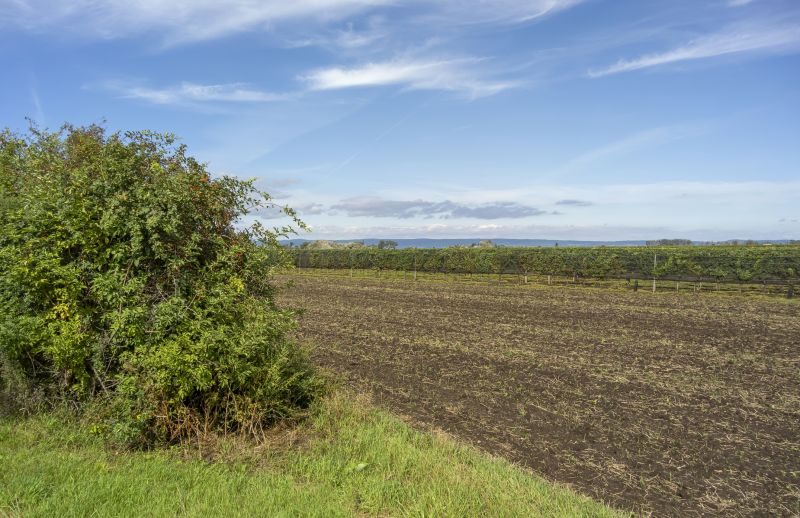
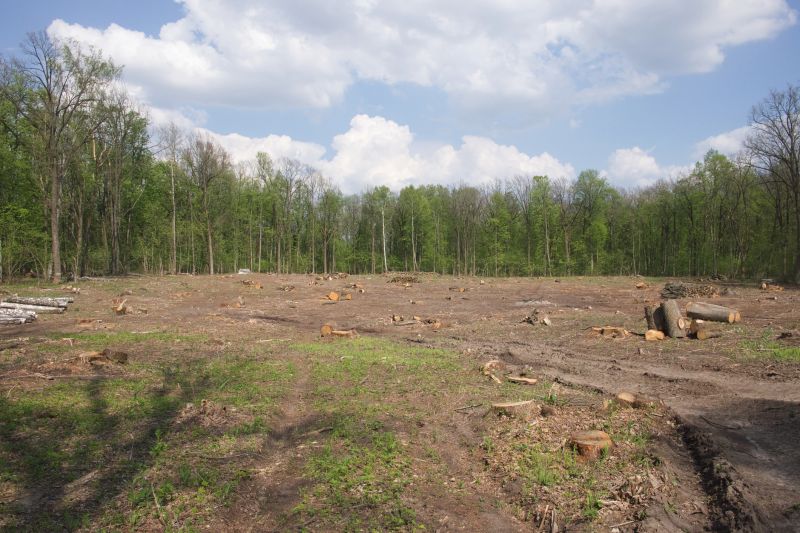
Acreage clearing services involve removing trees, brush, and other vegetation to prepare large plots of land for development, farming, or other property improvements. This process can include tree removal, stump grinding, brush clearing, and grading to create a clean, level space. Property owners often request acreage clearing when they plan to build new structures, establish farmland, or need open land for recreational use, ensuring the area is safe, accessible, and suitable for its intended purpose.
Before requesting acreage clearing, property owners should consider the size and topography of the land, as well as any local regulations or permits required for vegetation removal. It is also helpful to identify any specific features or obstacles, such as large trees or uneven terrain, that may influence the scope of work. Clear communication about project goals and expectations can help ensure the clearing process aligns with the property's future use and any planning or development plans.
Many property owners in Houston, TX look into Acreage Clearing for repairs, replacements, upgrades, and appearance-related improvements.
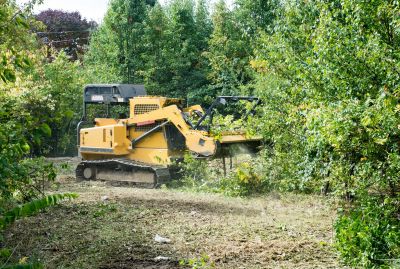
Site Preparation For Development
Acreage clearing prepares land for construction, farming, or landscaping projects.
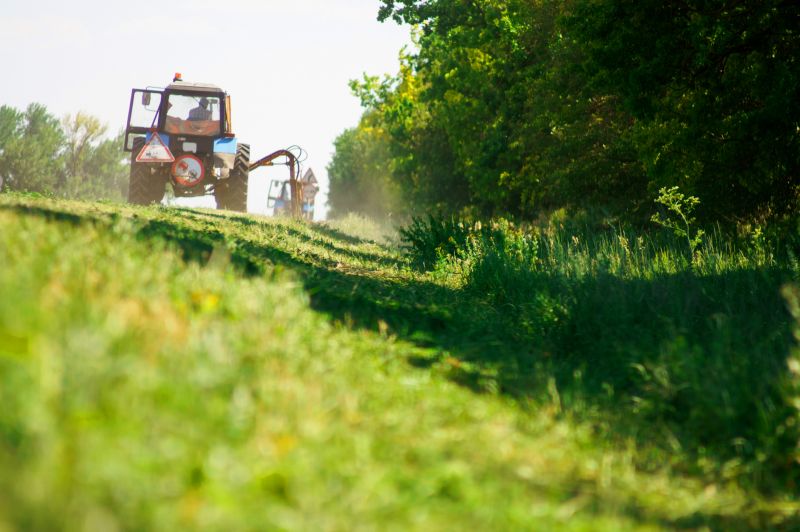
Vegetation Removal And Land Clearing
Removing trees, shrubs, and underbrush to create open, accessible spaces on large properties.
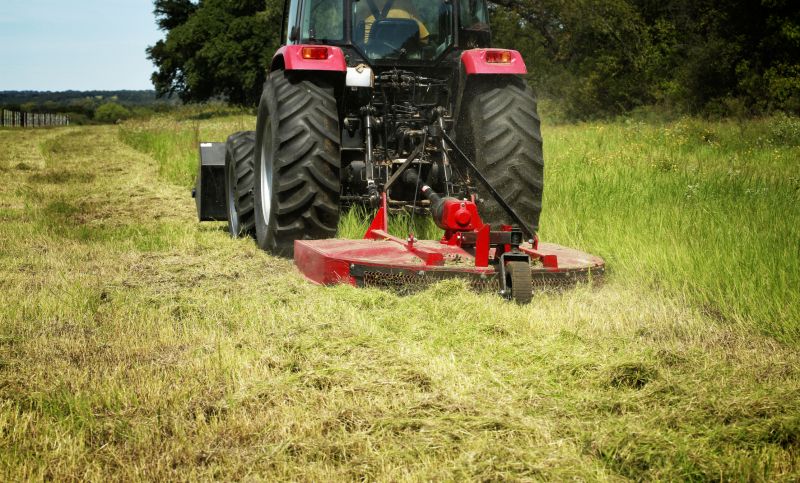
Brush And Debris Removal
Clearing away brush, fallen branches, and debris to maintain safe and tidy land in houston, tx.
Acreage Clearing in Houston, TX
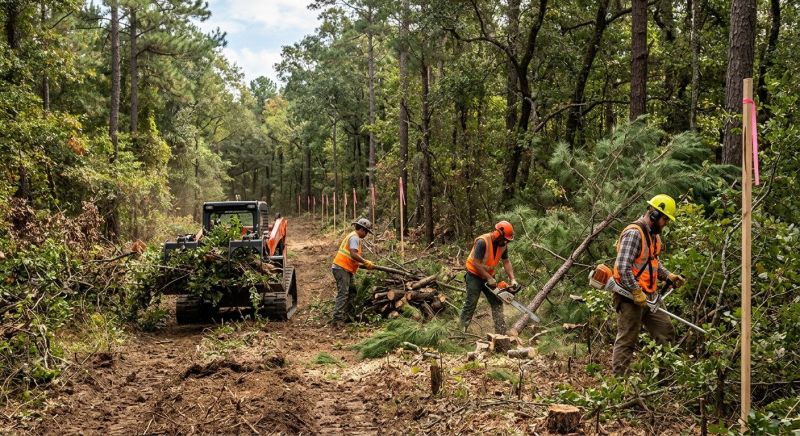
Acreage clearing services involve removing trees, brush, and other vegetation to prepare large plots of land for development, farming, or other property improvements. This process can include tree removal, stump grinding, brush clearing, and grading to create a clean, level space. Property owners often request acreage clearing when they plan to build new structures, establish farmland, or need open land for recreational use, ensuring the area is safe, accessible, and suitable for its intended purpose.
Before requesting acreage clearing, property owners should consider the size and topography of the land, as well as any local regulations or permits required for vegetation removal. It is also helpful to identify any specific features or obstacles, such as large trees or uneven terrain, that may influence the scope of work. Clear communication about project goals and expectations can help ensure the clearing process aligns with the property's future use and any planning or development plans.
Many property owners in Houston, TX look into Acreage Clearing for repairs, replacements, upgrades, and appearance-related improvements.
Common Acreage Clearing Jobs
Brush removal - clearing overgrown vegetation to improve yard appearance and safety.
Tree clearing - removing unwanted or hazardous trees to protect property and structures.
Land clearing - preparing land for construction, landscaping, or farming projects.
Stump removal - extracting tree stumps to prevent regrowth and create a smooth surface.
Lot clearing - removing debris, brush, and trees to make land ready for development.
Vegetation management - controlling invasive plants and maintaining a healthy landscape.
Acreage Clearing Questions
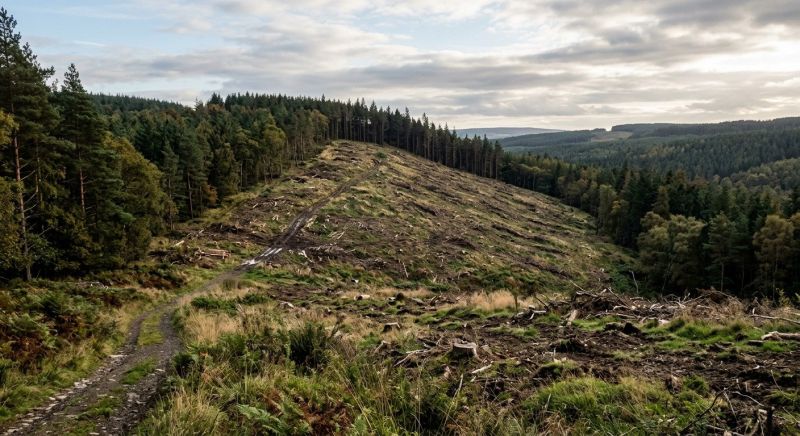
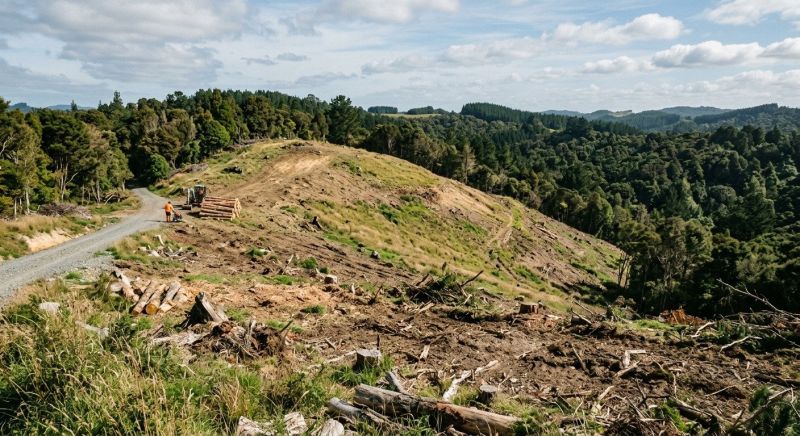
What is acreage clearing? Acreage clearing involves removing trees, brush, and debris to prepare large land areas for development, farming, or other uses.
What types of projects require acreage clearing? Projects such as new construction sites, agricultural land preparation, or property renovations often need acreage clearing services.
How does acreage clearing benefit property owners? Clearing land can improve accessibility, enhance safety, and create a suitable space for future development or landscaping.
What should property owners consider before clearing land? It’s important to evaluate land conditions, potential permits, and the presence of protected trees or vegetation before beginning clearing work.
Request Acreage Clearing in Houston, TX
Use the quote form on this page to share the basics of your project and request more information for the type of work you need.